
AustrianGP Free Practice Nr.3 5th: A Challenging Weekend at the Red Bull Ring
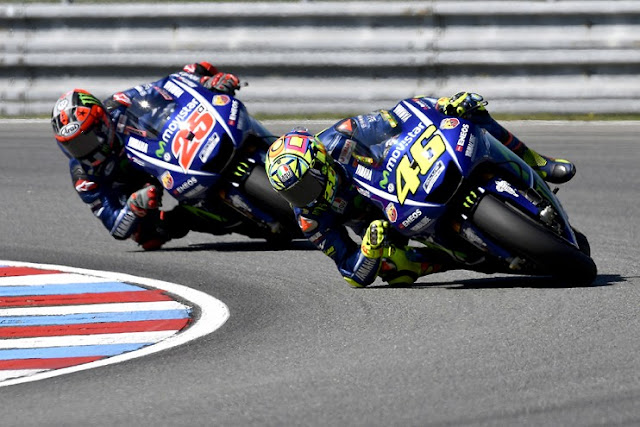
The 2017 Austrian Grand Prix presented a significant challenge for Valentino Rossi and the Movistar Yamaha MotoGP team. Held at the Red Bull Ring, a circuit known for its high-speed straights and hard-braking zones, the track layout historically favored Ducati's powerful machinery. Rossi's fifth-place finish in Free Practice 3 (FP3) on August 12th, 2017, provided a glimpse into the uphill battle he faced throughout the weekend. Understanding the context of the championship standings and the performance of rival teams is crucial to appreciating the significance of this FP3 result. The Yamaha rider was in a close battle with other top riders for the championship title, and every session counted towards gaining crucial advantages.
The weekend was filled with technical challenges, and the team worked tirelessly to find the optimal setup for the Yamaha YZR-M1. Finding the right balance between cornering speed and straight-line performance was critical, as the Red Bull Ring punished any compromise in either area. Rossi's experience and feedback were vital in guiding the team's efforts to improve the bike's performance. [Consider reading about Yamaha's technical challenges in 2017.]

FP3 Analysis: Rossi's Performance and Yamaha's Struggles
Rossi's fifth-place in FP3 placed him behind several key rivals, highlighting the performance deficit Yamaha faced at the Austrian circuit. While the time sheets only tell a small part of the story, it was clear that the Ducati and Honda bikes had a distinct advantage in terms of outright speed. The Italian rider's best lap time in FP3 was a testament to his skill and determination, but it also reflected the limitations of the Yamaha package at this particular track.
The Red Bull Ring's layout, with its short, sharp corners and long straights, demanded strong acceleration and braking stability. The Yamaha YZR-M1, while known for its agility and cornering prowess, often struggled to match the top speed of the Ducati Desmosedici. This disadvantage was particularly pronounced at the Austrian track, where riders spent a significant portion of the lap at full throttle.
Rider Feedback and Bike Setup
Following FP3, Rossi provided valuable feedback to his team, highlighting areas where the bike could be improved. Improving acceleration out of the corners and finding more stability under braking were key priorities. The team analyzed the data from the session, focusing on telemetry information such as throttle position, brake pressure, and suspension travel to identify potential solutions. The team experimented with different suspension settings, gear ratios, and electronic strategies to optimize the bike's performance.
“We are working hard, but the Ducatis are very strong here," Rossi commented after the session. "We need to find something more to be competitive in the race.” This quote encapsulates the challenge Rossi faced and the team's commitment to finding improvements. The competition was fierce, and every tenth of a second mattered in the fight for championship points.
Championship Context: Rossi's Title Aspirations in 2017
The 2017 MotoGP season was shaping up to be a closely contested battle for the championship. Valentino Rossi, a nine-time world champion, was determined to add another title to his illustrious career. He faced stiff competition from riders such as Marc Marquez, Maverick Vinales, Andrea Dovizioso, and Dani Pedrosa. Each race weekend presented a new opportunity to gain valuable points and close the gap in the standings.
Heading into the Austrian Grand Prix, Rossi was in a strong position in the championship standings, but the gap to the leader was relatively small. A strong result at the Red Bull Ring was crucial to maintaining his title challenge. However, the Yamaha's struggles at the track made the task significantly more difficult. The pressure was on Rossi to deliver a strong performance and minimize the damage in terms of championship points.
Key Rivals and Their Performance
The Austrian Grand Prix was particularly important for Andrea Dovizioso, who was riding the factory Ducati. The Red Bull Ring was considered a Ducati stronghold, and Dovizioso was expected to be a strong contender for the win. Marc Marquez, riding the Honda, was also a major threat, despite the Honda's historical struggles at the track. Maverick Vinales, Rossi's teammate, was another rider to watch, as he had shown impressive pace throughout the season.
The performance of these key rivals in FP3 provided a benchmark for Rossi and the Yamaha team. It was clear that they needed to find significant improvements to close the gap and challenge for the podium. The team worked tirelessly to analyze the data and implement changes to the bike's setup.
Technical Analysis: The Yamaha YZR-M1 at the Red Bull Ring
The Yamaha YZR-M1 is renowned for its exceptional handling and cornering speed. However, the Red Bull Ring's layout exposed some of the bike's weaknesses, particularly in terms of straight-line speed. The team worked to address this issue by optimizing the engine settings and aerodynamics. The Yamaha YZR-M1’s in-line four-cylinder engine delivered smooth and predictable power, but it lacked the outright grunt of the Ducati's V4 engine.
The team also focused on improving the bike's braking stability. The Red Bull Ring features several hard-braking zones, where riders decelerate from high speeds in a short distance. Maintaining stability under braking was crucial to preventing wheel lockup and maximizing corner entry speed. The team experimented with different brake pad compounds and suspension settings to optimize braking performance.
Aerodynamic Considerations
Aerodynamics played a crucial role at the Red Bull Ring, particularly on the long straights. The team worked to minimize drag and maximize downforce. Downforce is the aerodynamic force that pushes the tires onto the track, improving grip and stability. The Yamaha YZR-M1 featured a streamlined fairing and winglets designed to optimize airflow and generate downforce. The team carefully analyzed the aerodynamic data to ensure that the bike was performing optimally in the high-speed sections of the track.
Race Strategy and Tire Selection
The race strategy and tire selection were critical factors in determining the outcome of the Austrian Grand Prix. The Red Bull Ring is a demanding track that puts a lot of stress on the tires. Choosing the right tire compound was essential to ensuring that the tires would last the entire race distance. The team analyzed the data from the practice sessions to assess tire wear and determine the optimal tire strategy. The race was expected to be a strategic battle, with riders carefully managing their tires to maintain performance throughout the race.
The riders had several tire options to choose from, including soft, medium, and hard compounds. The soft compound offered the most grip but wore out quickly. The hard compound offered the best durability but provided less grip. The medium compound was a compromise between grip and durability. The team worked to determine which tire compound would provide the best balance of performance and longevity.
The Race and its Aftermath
The 2017 Austrian Grand Prix ultimately saw Andrea Dovizioso take victory, confirming Ducati's dominance at the track. Valentino Rossi finished in a respectable position, salvaging valuable championship points. The race highlighted the challenges Yamaha faced at the Red Bull Ring and the need to improve the bike's performance in terms of straight-line speed. [Read more about the 2017 AustrianGP race results.]
Despite the difficulties, Rossi's performance demonstrated his skill and determination. He battled hard throughout the race and minimized the damage in terms of championship points. The result served as a reminder that every point counts in the fight for the title.
Looking Ahead
Following the Austrian Grand Prix, the MotoGP championship moved on to other circuits with different characteristics. The Yamaha team worked to address the issues identified at the Red Bull Ring and improve the bike's overall performance. Rossi remained focused on his goal of winning the championship and continued to fight hard in every race. The 2017 season was a testament to the intense competition and the unwavering determination of the riders and teams in MotoGP.

Conclusion: A Challenging Weekend, Lessons Learned
Valentino Rossi's fifth-place in FP3 at the 2017 Austrian Grand Prix highlighted the challenges faced by the Movistar Yamaha MotoGP team at the Red Bull Ring. The track's layout favored Ducati's powerful machinery, and Rossi and his team had to work tirelessly to find the optimal setup for the Yamaha YZR-M1. Despite the difficulties, Rossi's performance demonstrated his skill and determination, and he salvaged valuable championship points. The weekend served as a valuable learning experience for the team, and they worked to address the issues identified and improve the bike's overall performance. The 2017 MotoGP season was a testament to the intense competition and the unwavering determination of the riders and teams in the premier class of motorcycle racing. The constant push for improvement and the strategic battles on the track made it a thrilling spectacle for fans around the world. The Austrian GP was just one chapter in a season-long saga of speed, skill, and strategy.
References
This article was compiled using information from the following sources:
- MotoGP Official Website - Results & Statistics
- Crash.net MotoGP News
- Autosport MotoGP News
- Motorsport.com MotoGP News
- GPOne.com
Editorial Notice: This article was written to provide historical context and narrative insight into Valentino Rossi's career beyond race results. Information is based on publicly available records and editorial interpretation.
AI-assisted content: This article was enhanced using AI writing tools. Content has been curated and compiled from multiple web resources, official race records, and historical archives to provide comprehensive coverage of the topic.


 Posts
Posts


 Valentino Rossi born 16 February 1979 is an Italian professional motorcycle road racer and multiple MotoGP World Champion. He is one of the most successful motorcycle racers of all time, with nine Grand Prix World Championships to his name – seven of which are in the premier class.
No comments:
Post a Comment
What are your thoughts ?